
Clutch Release: Causes, Symptoms, and What to Do
May 20, 2026 — APD Uzman Ekibi
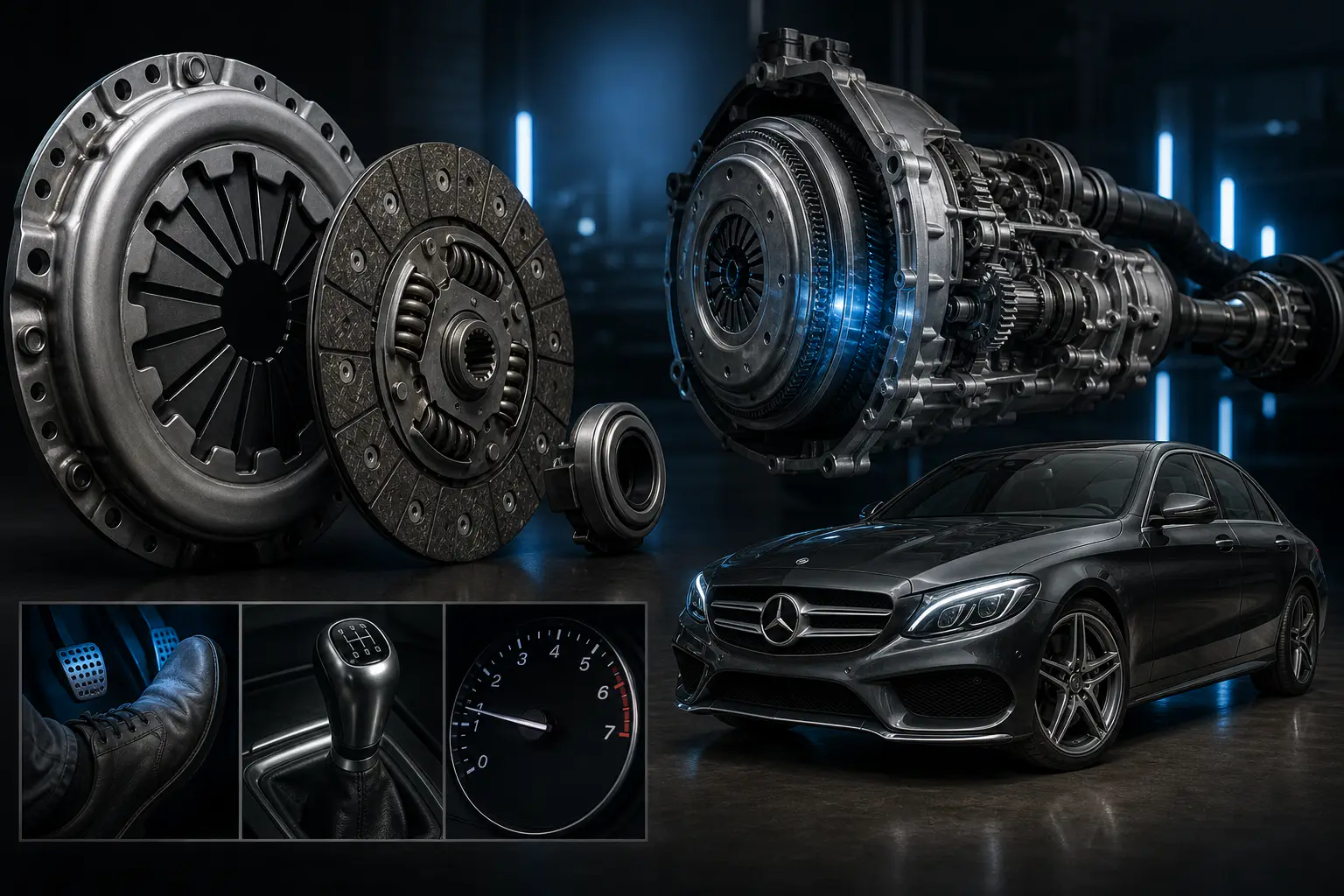
Clutch Release: Causes, Symptoms, and What to Do
Clutch release is a common issue faced by vehicle drivers. Especially in German automotive brands like BMW and Mercedes, the clutch system plays a critical role. This situation is a factor that directly affects driving comfort and safety. Clutch release typically occurs due to the clutch losing its functionality or not working properly. In this article, we will discuss the causes, symptoms, and necessary actions regarding clutch release in detail.
What is Clutch Release?
Clutch release is the situation where the clutch pedal does not fully return or remains higher than normal. This prevents the driver from effectively using the clutch. The clutch system controls the connection between the engine and the transmission, making its proper functioning critically important. Especially in models like BMW E46 and Mercedes W204, the healthy operation of the clutch system affects the vehicle's performance and driving dynamics.
The Basic Function of Clutch Release
The clutch is a mechanism that transmits the engine's power to the wheels. When the clutch pedal is pressed, the connection between the engine and the transmission is cut off. This facilitates the gear-shifting process. When the clutch is released, this mechanism does not work effectively, and the driver may experience difficulties in shifting gears.
Causes of Clutch Release
There can be many reasons for clutch release. These reasons include mechanical issues, wear and tear, and other factors. Here are the most common causes of clutch release:
- Worn Clutch Disc: The clutch disc is one of the most critical components of the clutch system. Its wear over time can lead to release issues.
- Fluid Leak: A leak of hydraulic fluid in the clutch system can cause the clutch to malfunction.
- Mechanical Failures: Failures in the gears or springs of the clutch mechanism can lead to the loss of clutch function.
- Incorrect Adjustment: Incorrect adjustment of the clutch pedal can cause the pedal to release.
Impact of Wear and Tear
The clutch system wears over time due to continuous use during driving. Especially in performance-oriented vehicles like BMW F30 and Mercedes W213, it is important to regularly check the clutch system. Worn parts can reduce the efficiency of the clutch, leading to release issues.
Symptoms of Clutch Release
The symptoms of clutch release are important signs that drivers should pay attention to. These symptoms typically emerge over time and can negatively affect the driving experience. Here are the common symptoms of clutch release:
- Height of the Clutch Pedal: If the clutch pedal remains higher than normal, this may be a sign of release.
- Difficulties in Gear Shifting: Experiencing difficulties in shifting gears indicates that the clutch is not functioning properly.
- Excessive Noise: If there is excessive noise when the clutch pedal is pressed, it may indicate a mechanical issue.
- Slipping Issue: If the engine RPM increases but the wheel speed does not, it indicates that the clutch is slipping.
Severity of Symptoms
The symptoms of clutch release can be mild or severe. Especially in vehicles like BMW and Mercedes, these symptoms should not be ignored. The severity of the problem can increase over time and lead to larger issues.
What to Do in Case of Clutch Release
When faced with clutch release, there are certain precautions that drivers should take. Here are the necessary actions to be taken:
- Get It Checked Quickly: When symptoms of clutch release are noticed, it is important to have the vehicle checked by a specialist.
- Spare Part Replacement: If necessary, the clutch disc or other parts may need to be replaced. Spare parts can be obtained from quality German brands like Bosch, MANN, and FEBI.
- Adjustment: Checking the adjustments of the clutch system can resolve the release issue.
- Periodic Maintenance: Regular maintenance of the vehicle ensures the healthy operation of the clutch system.
Seek Expert Assistance
In the case of clutch release, seeking help from a qualified technician is always the best option. Especially in complex systems like Mercedes OM651 and BMW B47 engines, obtaining professional support is important.
Clutch Release and Spare Part Selection
Choosing the right spare parts is critical for the healthy operation of the clutch system. Below are some important parts and brands used in the clutch system:
| Part | Brand |
|---|---|
| Clutch Disc | Bosch |
| Clutch Kit | LEMFÖRDER |
| Clutch Pump | INA |
| Clutch Hydraulic Fluid | MAHLE |
Selecting the correct spare parts ensures the longevity of the clutch system. Especially in vehicles like BMW F30 and Mercedes W213, using quality parts is important.
Conclusion
Clutch release is a significant issue that vehicle drivers may encounter. This situation can negatively affect the driving experience and jeopardize safety. Knowing the causes, symptoms, and necessary actions regarding clutch release helps in resolving the issue quickly. Vehicle owners can prevent these problems by regularly checking their clutch systems. If you are experiencing a problem related to clutch release, you can click here to contact us for expert assistance.
FAQ
1. How long does it take for clutch release to occur?
Clutch release typically occurs over time due to wear and tear. The duration may vary depending on usage conditions.
2. What are the symptoms of clutch release?
Symptoms of clutch release include the height of the clutch pedal, difficulties in gear shifting, and slipping issues.
3. How is clutch release resolved?
Clutch release can be resolved by being checked by a qualified technician, with necessary spare part replacement and adjustments.
4. Which spare parts should I use?
It is important to prefer parts from quality brands like Bosch, MANN, and LEMFÖRDER in the clutch system.
5. Does clutch release affect safe driving?
Yes, clutch release can negatively affect safe driving by making gear shifts difficult. Therefore, it should be checked immediately when symptoms are noticed.