
What is an EGR Valve? Its Function, Failure Symptoms, and Cleaning Methods
May 20, 2026 — APD Uzman Ekibi
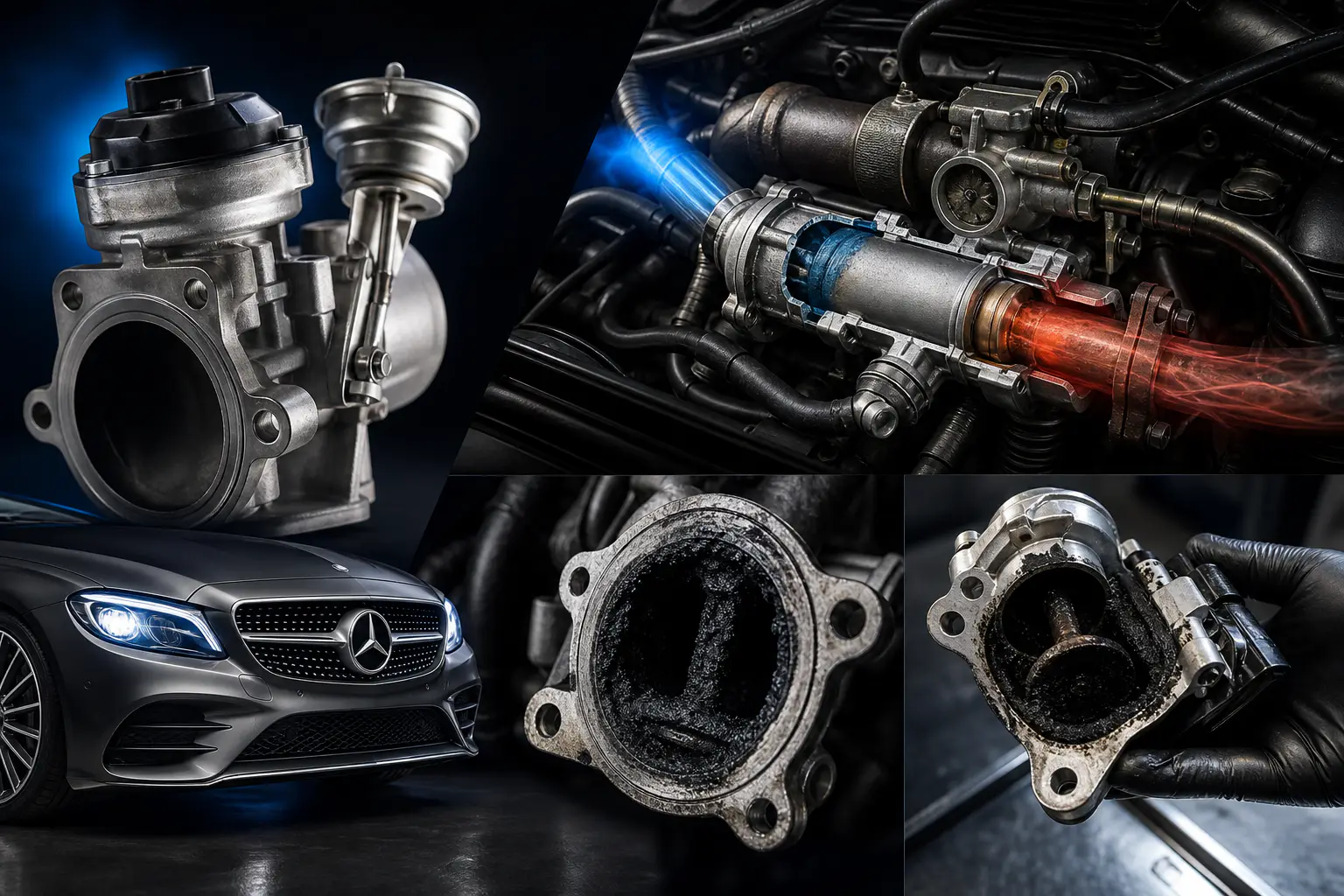
What is an EGR Valve? Functions, Failure Symptoms, and Cleaning Methods
The EGR valve is an important part of the emission control systems in modern vehicles. Especially in German automotive brands like BMW and Mercedes, the EGR valve plays a critical role in ensuring the engine's performance and environmental friendliness. In this article, we will examine what the EGR valve is, its function, failure symptoms, and cleaning methods. Being knowledgeable about the EGR valve is important for enhancing your vehicle's performance and ensuring its longevity.
What is an EGR Valve?
EGR stands for "Exhaust Gas Recirculation." The EGR valve is a component that redirects a portion of the engine's exhaust gases back into the engine's cylinders. This aims to improve the quality of the air used in the combustion process, thereby reducing harmful emissions. EGR valves are typically found in both diesel and gasoline engines, and this system increases the engine's operational efficiency, resulting in fuel savings.
How the EGR Valve Works
The EGR valve opens and closes depending on the engine's operating temperature. As the engine runs, a certain amount of exhaust gases is sent back to the cylinders through the EGR valve. This lowers temperatures during the combustion process, reducing nitrogen oxide (NOx) emissions. The EGR valve is controlled by the engine control unit (ECU), which optimizes it according to the engine's operating conditions.
Functions of the EGR Valve
- Emission Control: The EGR valve provides an environmentally friendly driving experience by reducing the release of harmful gases.
- Fuel Efficiency: The recirculated exhaust gases optimize the combustion process, resulting in better fuel efficiency.
- Engine Performance: The EGR system contributes to smoother engine operation, enhancing driving comfort.
Symptoms of EGR Valve Failure
When the EGR valve fails, various symptoms may arise. These symptoms can negatively affect the engine's performance and emission levels. Below are common signs of EGR valve failure:
- Check Engine Light: The check engine light typically illuminates when the EGR valve fails.
- Increased Fuel Consumption: A malfunctioning EGR system can decrease fuel efficiency.
- Unstable Engine Operation: EGR valve failure can cause the engine to run irregularly.
- Increased Exhaust Gas Emissions: When the EGR valve fails, the release of harmful gases increases.
How to Diagnose EGR Failure?
The best method to diagnose EGR failure is to use the OBD-II (On-Board Diagnostics) system. This system can read fault codes by analyzing data from the engine control unit. Additionally, observing the engine's operational performance is an important step.
Methods for Cleaning the EGR Valve
When the EGR valve fails, cleaning it can often resolve the issue. You can use the following methods to clean the EGR valve:
- Chemical Cleaning: You can clean the carbon deposits inside the valve using specially formulated cleaner sprays for the EGR valve.
- Mechanical Cleaning: It is possible to physically clean the EGR valve by removing it and using a brush and solvent.
- Professional Cleaning: If cleaning is insufficient, you may seek help from a professional service.
Steps to Clean the EGR Valve Yourself
- Turn off the vehicle's engine and locate the EGR valve.
- Carefully remove the valve.
- Thoroughly clean the valve with the cleaner spray.
- Reinstall the valve and start the engine.
When to Replace the EGR Valve
The EGR valve can wear out over time and lose its functionality. If cleaning the EGR valve is not sufficient, it may be time for a replacement. EGR valve replacement is generally recommended between 100,000-150,000 kilometers. However, this can vary depending on the vehicle's brand and model. For example, the recommended mileage intervals for EGR valve replacement may differ for BMW E46 series and Mercedes W204 series vehicles.
Considerations for EGR Valve Replacement
Some points to consider during EGR valve replacement include:
- Choosing the right spare part: Original or high-quality aftermarket parts should be preferred.
- Care during installation: The EGR valve must be installed correctly.
Frequently Asked Questions About the EGR Valve
How is EGR valve failure diagnosed?
You can check for fault codes using the OBD-II system to diagnose EGR valve failure. Additionally, observing the engine's operational performance is important.
How often should the EGR valve be cleaned?
The EGR valve cleaning should generally be performed every 50,000-100,000 kilometers, depending on the vehicle's usage conditions.
How does EGR valve failure affect the engine?
EGR valve failure can reduce engine performance, increase fuel consumption, and raise the release of harmful emissions.
Does the cleaning process always resolve EGR valve issues?
No, in some cases, the EGR valve may be defective, and cleaning may not be sufficient. In this case, the valve may need to be replaced.
What parts are needed for EGR valve replacement?
Typically, a new EGR valve, gaskets, and necessary tools for installation are required for EGR valve replacement.
In conclusion, the EGR valve is an important component that ensures the engine's performance and environmental friendliness. Observing its symptoms when it fails and cleaning or replacing it when necessary is critical for your vehicle's health. For more information and your spare part needs, you can contact us. To reach us via WhatsApp, click here.