

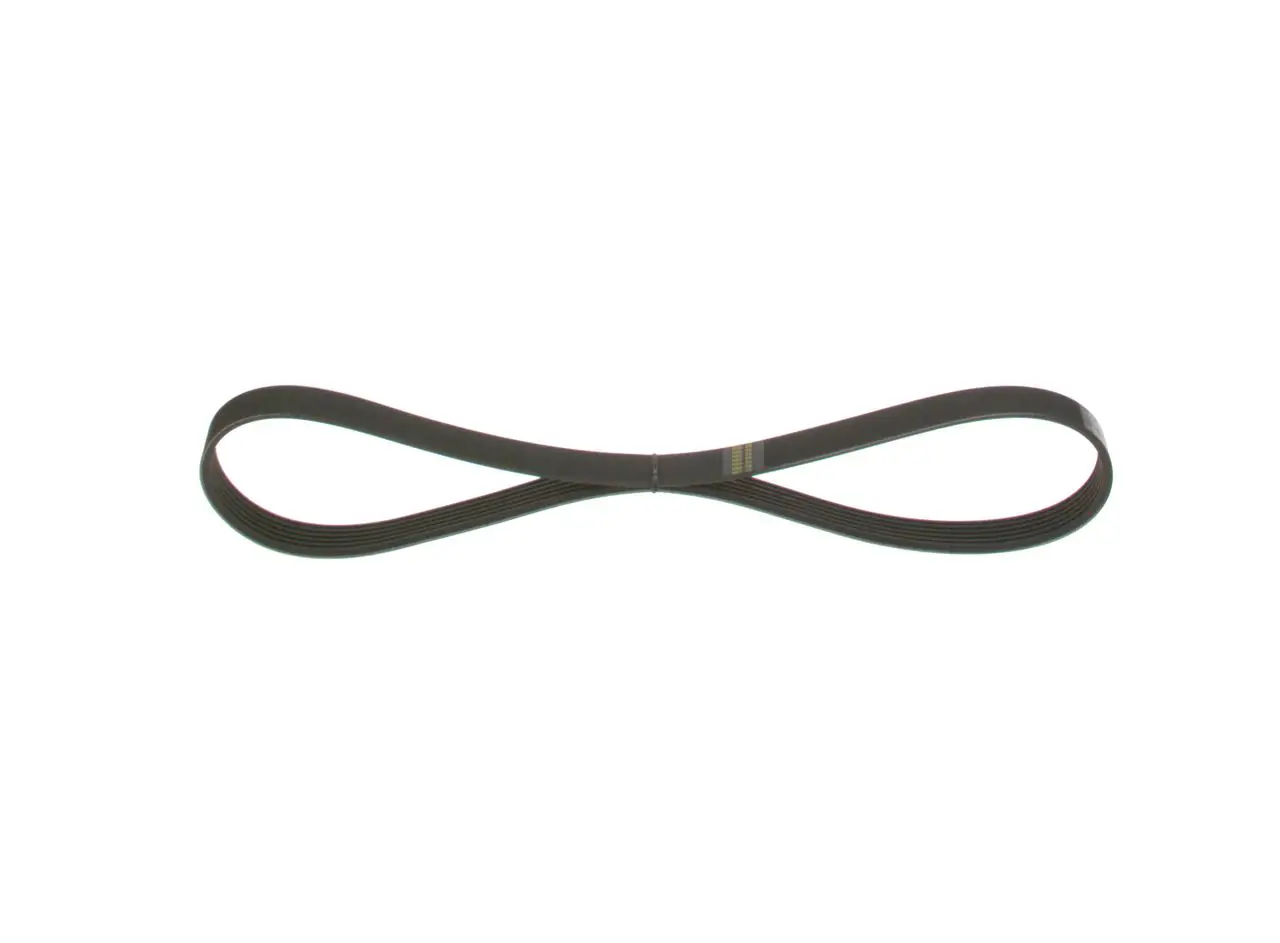
BMW F30 N13 V Belt | BOSCH 1987946020 Spare Part

 500 ₺In Supplier StockCurrent
 332 ₺In Stock
 977 ₺In Supplier Stock
 1.085 ₺In Supplier StockCONTITECH703 ₺Out of Stock
BMW F30 N13 V Belt Imported (BOSCH)
Soap and Powder Disaster: Sprinkling powder on the belt or spraying liquid soap or WD-40 to silence the squeaking sound from the V-Belt when the engine is cold in the morning is the most dangerous industrial myth. This process temporarily silences the noise but completely deteriorates the rubber's structure. The belt starts to slip on the pulley, the water pump cannot circulate the water, the alternator cannot charge the battery, and soon the belt breaks, leaving you stranded.
Invisible Crack Neglect: The thought "The master looked at the outside of the belt, there are no cracks, it will last longer" is a great misconception. Modern EPDM belts may appear solid from the outside, but they thin and elongate from the internal grooves. A worn BMW F30 N13 V Belt should be replaced immediately without relying on visual inspection.
The component that transmits power to the legendary 1.6 turbo (N13) engine in the BMW 3 Series F30 models with the 320i ED variant; the imported BMW F30 N13 V Belt from the German automotive giant BOSCH is now available! This durable power band transmits the rotational motion it receives from the crankshaft flawlessly to the alternator (charging dynamo), water pump, and air conditioning compressor, ensuring your vehicle moves smoothly on the road. An old BMW F30 N13 V Belt that has hardened, elongated, or melted its grooves over time due to extreme hot-cold cycles and friction will produce an unbearable squeaking sound when starting for the first time in the morning. Worse yet, the moment this worn belt breaks, your steering stiffens, the battery charge light comes on, the temperature gauge immediately hits red, and your vehicle is doomed to be towed. To protect your luxury F30 from these frightening mechanical failures and ensure the systems work in sync, you can reset your power transmission with this brand new BMW F30 N13 V Belt made from OEM standard EPDM rubber. Reinforced with internal threads against breaking and stretching, this BOSCH product guarantees that your N13 engine operates quietly, vibration-free, and at maximum efficiency.
Technical Details and Sales Information
| Brand | BOSCH (Original Factory Supplier) |
| Product / Reference Code | 1987946020 |
| Product Type | BMW F30 N13 V Belt (Alternator and Accessory Belt / Ribbed V-Belt) |
| Compatibility | BMW 3 Series F30 Sedan Body (For "N13" Code 1.6 Turbo Gasoline - 320i ED - Engines Only.) |
Frequently Asked Questions (FAQ)
This product is equivalent to the following OEM/original part numbers. You can search by your vehicle's original part number.
- 11287603348 — Bosch DXT (BMW)
Compatible vehicle information not yet added.